


Preamble
On March 16, the Future Energy Ultra-Fast Charging Station was officially commissioned in Yitang Town, Lanshan District, Linyi. This marks the first commercial deployment of a 10kV Direct-Grid-Connected Solid-State Transformer (SST) PV-Storage-DC-Flex System in Shandong Province. From equipment arrival to full-site power-on, the entire process took only two days. For State Grid Linyi, this project is not only a “Shandong First” but also a demonstration of “Linyi Speed” — a charging station that supports heavy-duty trucks, serves passenger vehicles, and imposes no burden on the power grid.
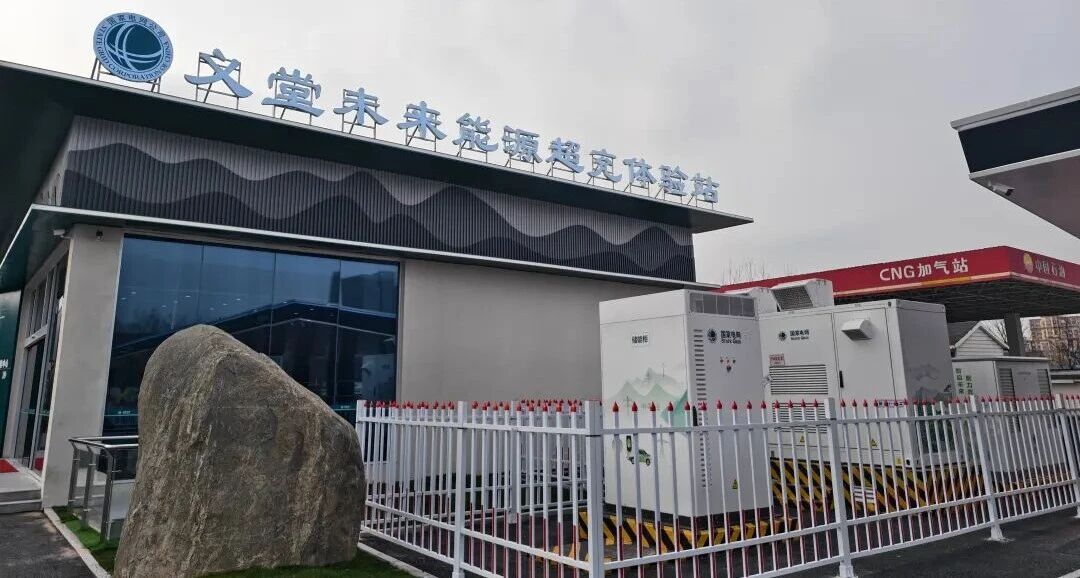
Linyi is a national-level logistics hub, where thousands of heavy-duty trucks depart daily to destinations across China. The electrification of commercial trucks has placed the city’s logistics industry at a critical crossroads of transformation.
However, a major challenge persists: Heavy-duty trucks demand high power and fast energy replenishment. Conventional charging stations occupy large areas, require lengthy approval, and risk overloading the grid when multiple trucks charge simultaneously.
Traditional stations near logistics parks require bulky distribution transformers and often take up to six months for approval. Even when completed, concentrated charging causes severe grid stress, voltage fluctuations, and degraded power quality — affecting nearby users and limiting charging speed. Without solving these problems, logistics electrification remains stuck at the “last mile”: no matter how fast the vehicles run, they cannot operate without reliable energy supply.
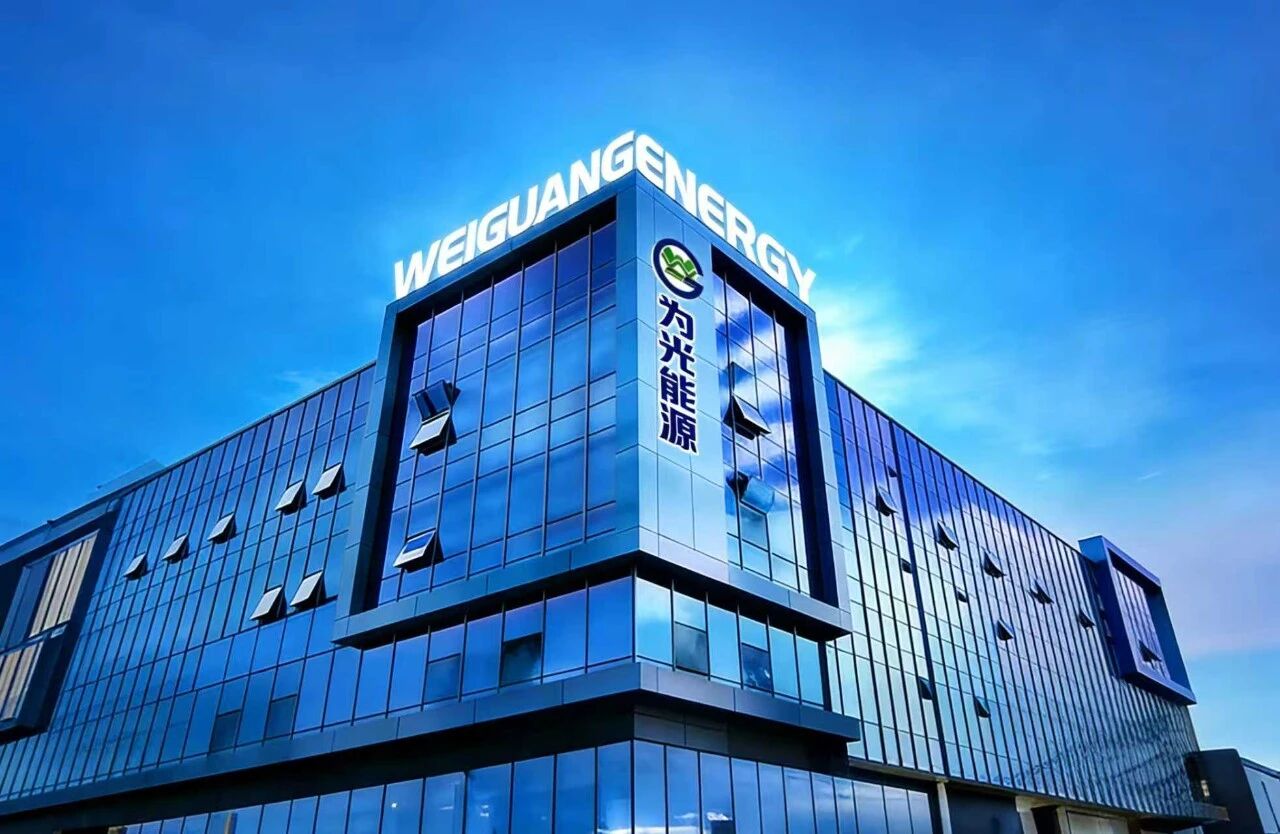
The core of this project is a 10kV/1250kVA SST developed by WG Energy. It connects directly to the medium-voltage grid, outputs a 750V DC bus, and integrates PV power, energy storage, and charging piles onto a single unified DC bus for coordinated control.
Unlike the conventional scheme of “transformer + charging modules + distribution cabinets”, the SST integrates three core functions — voltage transformation, rectification, and power distribution — into one compact unit. It eliminates heavy low-frequency transformers, multi-stage AC/DC conversion links, and lengthy grid expansion approval procedures.
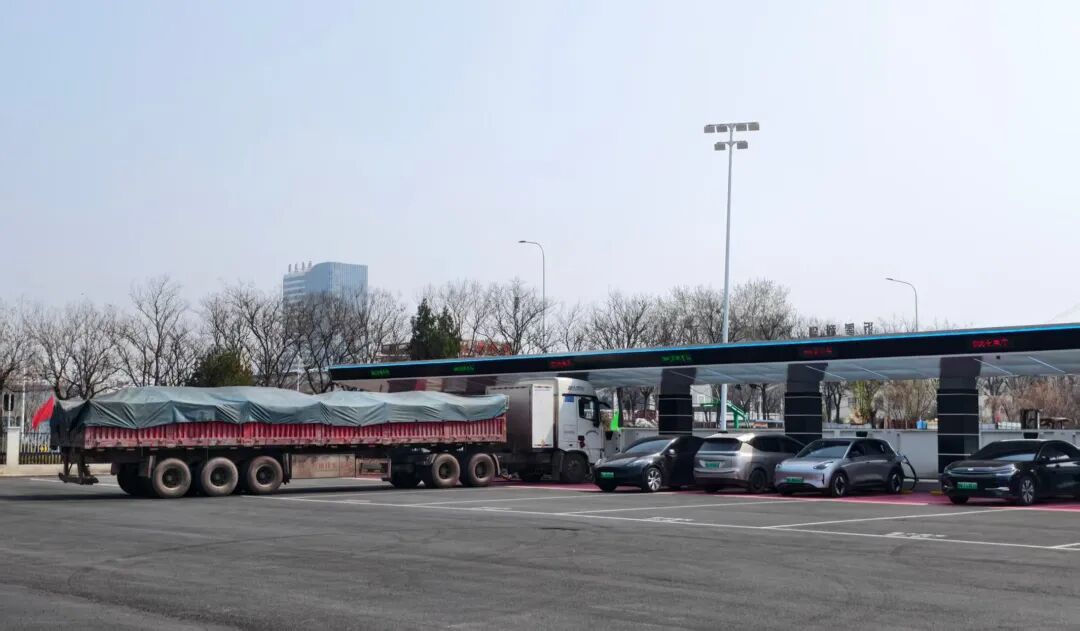
The station’s greatest strength is its multi-vehicle compatibility:
· Heavy-Duty Trucks: dedicated parking bays and dual-gun terminals
· Passenger Vehicles: VIN-based automatic charging, plug-and-go
· Ultra-Fast Experience: megawatt-level liquid-cooled ultra-fast chargers delivering 10 minutes charging → 300 km range
One station serves all scenarios — from logistics fleets to private cars, from regular refueling to extreme-speed charging.
Speed alone does not define this Future Energy Ultra-Fast Charging Station. Its true value lies in building a new energy ecosystem with the SST at its core, enabling coordinated operation of vehicle–pile–grid–storage. Energy is no longer unidirectional; it becomes bidirectionally interactive and intelligently dispatched.
For passenger vehicle owners: VIN-sensing automatic charging makes true plug-and-charging a reality. Automatic identification upon plug-in, automatic settlement after charging — efficiency improved by 50% compared with conventional fast charging. Within the same footprint, daily vehicle throughput easily doubles.
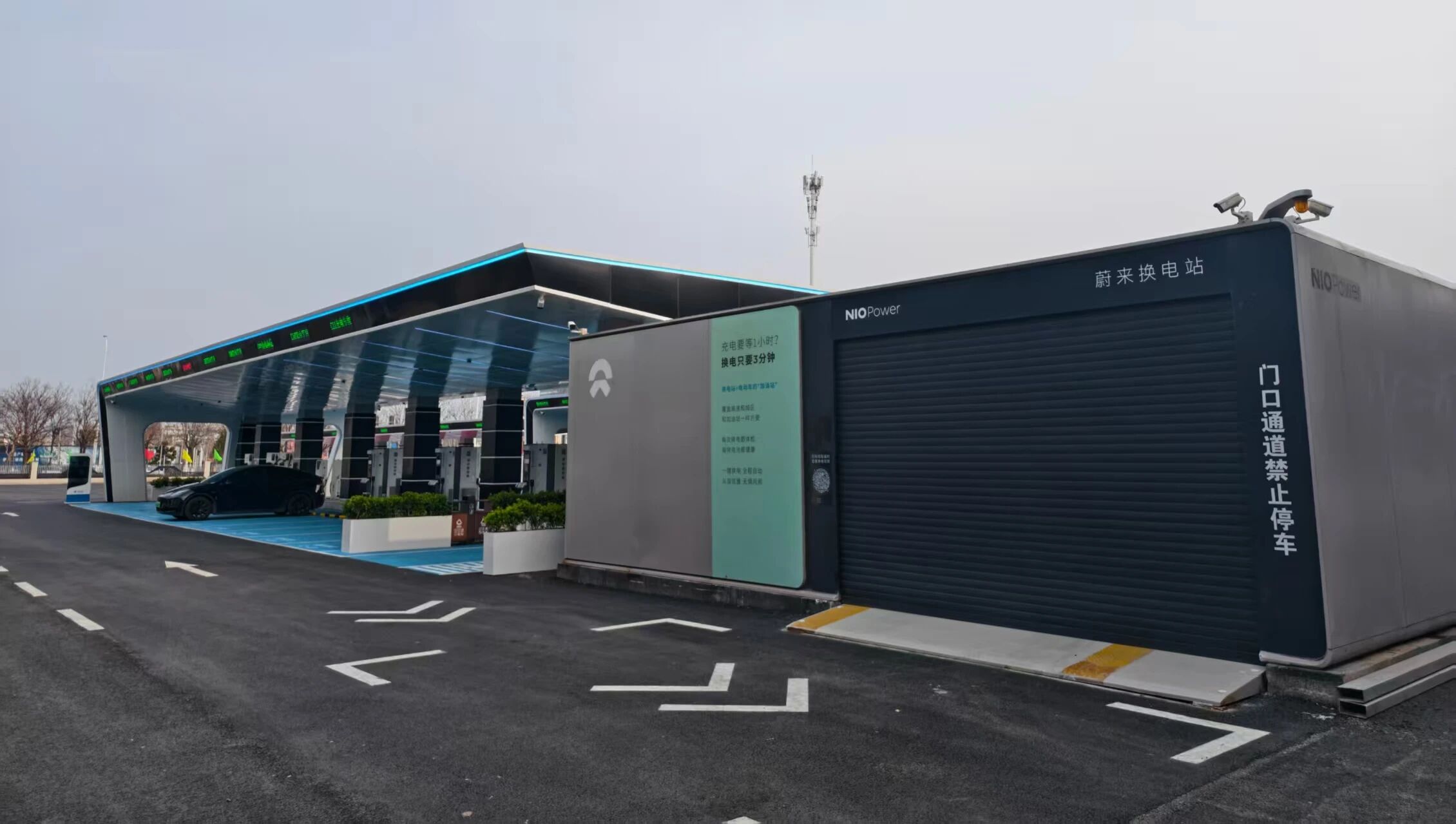
Battery swap experience is equally efficient: The automated swap station built in partnership with NIO delivers F1-style pit-stop speed. Vehicles park automatically; users remain in the car; full battery swap completed in 3 minutes, supporting up to 480 vehicles per day.
The station features 6 V2G (Vehicle-to-Grid) charging bays, turning cars into “mobile power banks”. During peak grid hours, vehicle owners can feed surplus electricity back to the grid and earn revenue — transforming EVs from “cost centers” to profit generators and unlocking unprecedented economic value.
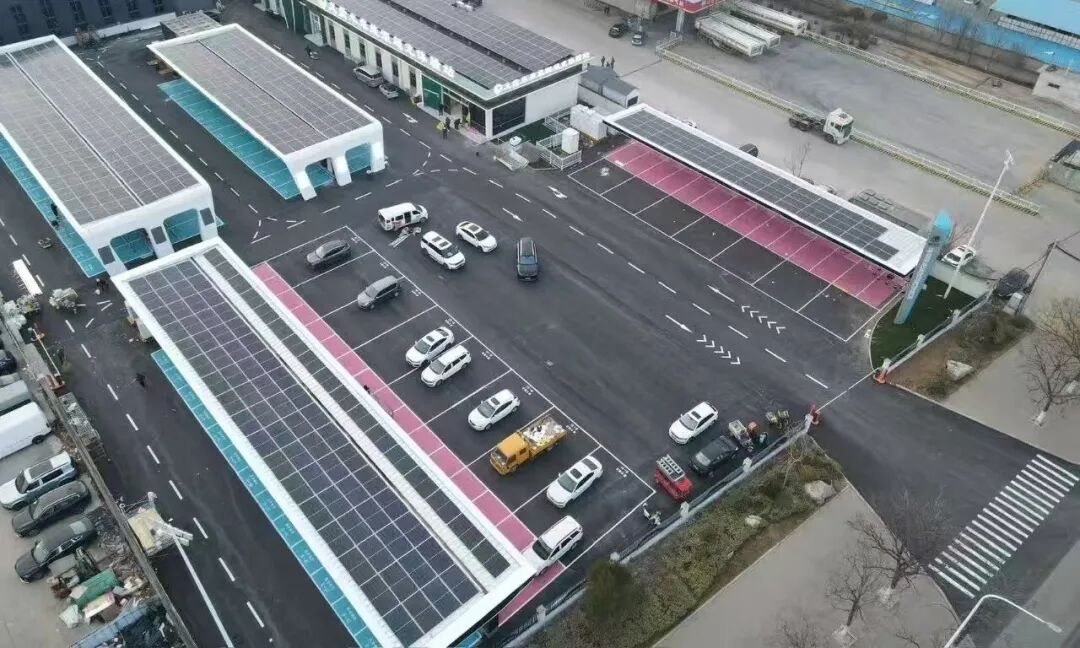
For power grid companies:WG Energy’s SST-based charging solution turns charging stations from grid burdens into grid supporters — with integrated energy storage, adjustable load, and grid-supporting capabilities.
For station operators: Higher efficiency, smaller footprint, faster deployment, and shorter payback periods deliver tangible cost reduction and efficiency improvement.
For drivers: Faster charging, shorter queues, lower electricity costs, and a superior user experience.
The shift from “charging anxiety” to “charging freedom” is injecting clean, stable momentum into Linyi’s logistics transformation. In the future, more such “Super Energy Harbors” will emerge.
WG Energy is refining the experience from its SST projects into a replicable “Linyi Model”, bringing benefits to more cities and customers.

Address:Building 5-6, South Area of Pioneer Institute, No. 3 Biyuan 2nd Road, High tech Zone, Xi'an City, Shaanxi Province
Email:marketing@weiguangenergy.com